Experienced Imprinted Concrete Rental Services for Magnificent Garden Spaces
An skilled stamped concrete rental option presents an efficient alternative for property owners and contractors seeking to enhance exterior areas. These offerings provide access to specialized equipment and tools, guaranteeing high-quality results without the commitment of possession. The ability to produce complex designs and long-lasting finishes is appealing. However, understanding the subtleties of setup and maintenance is essential. What factors should be considered before starting a concrete source stamping project?
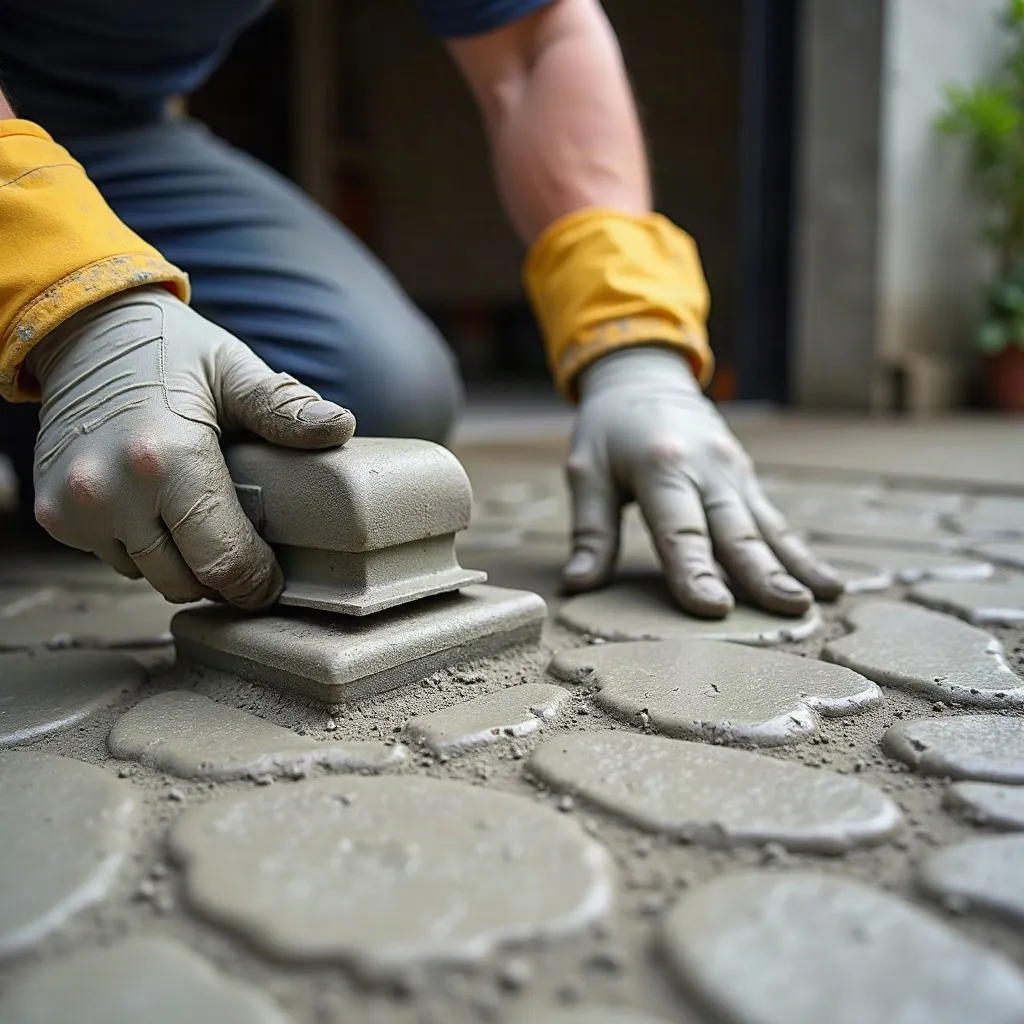
Why Pick Stamped Concrete for Your Outside Patio
When assessing enhancements for outdoor spaces, many homeowners discover that stamped concrete provides an compelling combination of aesthetics and practicality. This flexible option allows for a range of designs, mimicking natural materials such as stone, brick, or tile, while delivering a long-lasting surface. Stamped concrete is resistant to weathering, rendering it ideal for various climates, and its minimal upkeep requirements appeal to busy homeowners.
Additionally, stamped concrete can boost property value, as it generates attractive pathways, patios, and pool decks that appeal to prospective buyers. Its ability to blend seamlessly with landscaping further improves outdoor spaces. The installation process is also fairly fast compared to other materials, reducing disruption to the home environment. Homeowners appreciate that stamped concrete can be customized to suit individual tastes, offering a unique touch to their outdoor aesthetics. Overall, stamped concrete stands out as a functional and stylish choice for enhancing outdoor living areas.
What Equipment Do You Require for Stamped Concrete?
When working with stamped concrete, having the correct tools is essential for delivering quality results. Essential tools include concrete mixers, stamps, and finishing trowels, while safety gear such as gloves and masks ensures protection during the process. Grasping these requirements can greatly boost both the efficiency and safety of the project.
Vital Stamped Concrete Implements
An range of critical tools are essential for effectively completing stamped concrete work, guaranteeing precision and quality in the final product. Key tools feature a concrete mixer for standardized material blending, trowels for smoothing and shaping, and stamp molds that create desired patterns. A concrete float aids in leveling the surface, while edging tools help define clean lines around the project. For texturing, specialized stamps and rollers enhance the design, and a groover is critical for creating joints that control cracking. Finally, a curing compound sprayer ensures proper hydration. Utilizing these tools effectively not only enhances the aesthetic appeal but also contributes to the durability of the stamped concrete installation.
Protective Gear Guidelines
Proper safety gear is fundamental for anyone working with stamped concrete to minimize hazards and guarantee a safe working environment. Workers must begin with safety glasses to defend their eyes from dust and debris. Robust gloves are essential for hand protection against sharp tools and rough surfaces. boots with steel toes are suggested to guard against foot injuries from heavy materials. Also, wearing a helmet is vital to prevent head injuries from falling objects. The use of respirators or masks is important when handling concrete dust or chemicals to prevent respiratory problems. Finally, knee pads help provide comfort and safeguard knees while kneeling in the stamping process. Observing these safety gear measures fosters a safer workspace for everyone involved.
How to Prepare Your Property for Stamped Concrete Installation
Preparing the site for stamped concrete application is crucial for producing a long-lasting and aesthetically pleasing surface. The opening step requires clearing the area of any debris, plants, or existing concrete. This guarantees a clean slate for the new installation. Next, the ground must be dug to the proper depth, typically 4 to 6 inches, depending on the project requirements. Proper drainage slope is important to promote adequate water flow, preventing future cracking or settling.
When the plot is prepared, a hard sub-base made of gravel or crushed stone should be put down to enhance stability. Installing forms to outline the intended shape is also vital, as they guide the concrete pour and maintain the structure. Finally, the site should be compacted to expel air pockets, ensuring a solid foundation. Following these steps will considerably contribute to the longevity and aesthetics of the stamped concrete surface.
Best Stamped Concrete Styles and Surfaces for Your Patio Area
Stamped concrete delivers a range of stunning patterns and finishes that can transform any exterior area into a visually appealing space. Common choices include patterns that mimic stone textures, such as slate, brick, and flagstone, enabling homeowners to achieve an elegant look without the expense.
Color choices extend from earthy tones to vibrant hues, enabling personalization to complement current landscaping or architectural styles. Patterned surfaces can create depth and character, enhancing the overall appearance of patios, walkways, and driveways.
With a up-to-date addition, structured designs and striking hues are more widely preferred, while traditional designs persist as classic options. Plus, embellished edges can define spaces and establish design character. Each design choice not only elevates the beauty of outdoor areas but also adds worth to the property, positioning stamped concrete as a versatile and engaging option for homeowners seeking to enhance their outdoor living spaces.
Regular Cleaning Techniques
Keeping decorative concrete surfaces clean requires a thoughtful approach to secure their longevity and aesthetic appeal. Regular maintenance begins with sweeping or using a blower to remove debris and dirt. For deeper cleaning, a mixture of mild detergent and water can be applied with a gentle brush. Avoid harsh chemicals, as they may damage the surface. Rinsing thoroughly is essential to prevent residue buildup. Additionally, addressing stains promptly is vital; using a diluted vinegar solution can effectively lift organic stains. For grease or oil stains, a specialized cleaner may be necessary. Ultimately, implementing these techniques consistently will help maintain the beauty of stamped concrete and extend its lifespan. Regular attention guarantees the surface remains inviting and visually appealing.
Protect for Longevity
Consistent cleaning establishes the basis for the durability of stamped concrete, but sealing plays a pivotal role in safeguarding and improving its appearance. Sealing creates a barrier against water damage, marks, and sun exposure, which can result in fading and decay over time. Experts recommend using a high-quality acrylic or polyurethane sealer to ensure peak defense. Application should happen every one to three years, depending on climate factors and foot traffic. Additionally, thorough prep work is crucial; any debris or moisture can prevent adhesion. When applying the coating, a uniform, even coat should be applied to prevent accumulation or streaking. Overall, frequent sealing not only preserves the vibrant colors of stamped concrete but also extends its lifespan significantly.
Repairing Outer Damage
Addressing structural wear promptly guarantees the long-term durability of stamped concrete. Regular inspections can help recognize issues such as cracks, chips, or discoloration. When damage occurs, swift restoration is necessary. For minor cracks, a concrete repair paste can effectively address voids, ensuring a smooth surface. Once the repair is concluded, applying a fresh coat of sealant not only boosts visual appeal but also defends the repaired area from future damage.
Moreover, avoiding strong chemical solutions during cleaning can prevent further wear and tear. Routine maintenance, featuring re-sealing every few years, will strengthen the durability of the surface. By prioritizing these maintenance approaches, property owners can preserve the aesthetic appeal and structural stability of their stamped concrete, ensuring it remains a striking feature of their outdoor spaces.
Advantages of Renting Stamped Concrete Tools
Why should contractors consider procuring stamped concrete equipment? Renting suggests several advantages, chiefly for those looking to beautify outdoor spaces without the long-term undertaking of ownership. First, it allows firms to tap into high-quality, specialized tools that may not be budget-friendly to purchase outright. This access promises that projects can be completed with professional-grade results.
Furthermore, renting equipment minimizes storage issues and upkeep duties, enabling contractors to focus on job completion. It also offers adaptability; contractors can select the appropriate gear for each particular project, adapting to different project sizes and requirements.
Moreover, renting can lead to cost savings, especially for short-term assignments, as it eliminates the need for substantial initial capital. Overall, utilizing rental services for stamped concrete equipment allows contractors to maximize their efficiency while delivering stunning results efficiently.
Budgeting for Your Stamped Concrete Project
Creating a financial plan for a stamped concrete project calls for prudent analysis of various factors to guarantee accomplished results. First, the expenditure of goods is essential, encompassing concrete, stamps, and color additives. These ingredients can markedly shape the overall budget. Additionally, labor costs must be taken into account, particularly if retaining contractors for application. Leasing apparatus may also be necessary, which can vary in price depending on the tools needed and rental duration.
An extra important element is ground preparation, encompassing grading and drainage, which can generate additional costs. Property owners should also set aside money for sealing and upkeep to prolong the durability of the stamped surface. Ultimately, it's prudent to incorporate a emergency fund for unexpected expenses that may arise during the undertaking. By assessing these elements, people can create a comprehensive budget that aligns with their goals for a beautiful outdoor area.
Frequently Raised Questions
How long is the durability of Stamped Concrete Relative to Other surfaces?
Stamped concrete commonly remains durable for 25 to 30 years, surpassing materials like asphalt, which may last 15 years, and pavers, which can endure 20 years. Consistent maintenance greatly enhances the longevity of stamped concrete installations.
Can textured concrete be placed in winter temperatures?
Stamped concrete can be installed in winter conditions, but special precautions are necessary. Cold temperatures may impact the curing process, so using additives and protective coverings is recommended to ensure proper adhesion and durability in colder climates.
Hues and Textures: What's Available for Stamped Concrete?
A variety of colors and patterns are offered for stamped concrete, such as earth tones, vibrant hues, and intricate patterns resembling stone, brick, or tile. Customization options enable distinctive designs tailored to individual tastes and visual styles.
Is Stamped Concrete Prone to Being Slippery When Wet?
Stamped flooring often becomes hazardous when damp, especially if it has a smooth finish. However, engraved surfaces or extra treatments can strengthen traction, decreasing the risk of slipping in moist conditions and retaining its decorative quality.
What's the Best Way to Fix Damage in Stamped Concrete?
To fix cracks or damages in stamped concrete, thoroughly clean the area, use a concrete repair compound, smooth it out, and consider re-sealing the surface for protection. Regular maintenance can avoid future problems.
Comments on “Discover Randolph top Stamped Concrete Rental for Professional Concrete Projects”